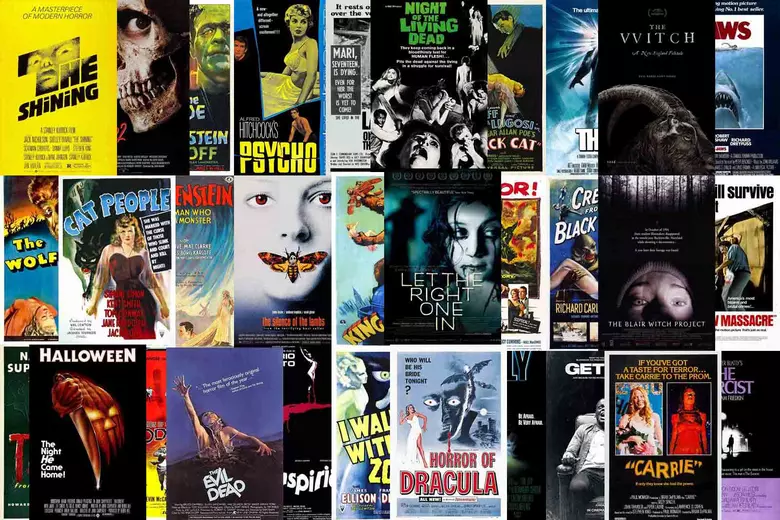
Our Favorite Horror Movies by Decade: From Silent Classics to Modern Nightmares
Horror has been part of cinema almost since the beginning, and one of the things I enjoy most about the genre is how much it has changed over the years. From the eerie shadows of silent films to the practical effects of the 1980s and the psychological nightmares of modern horror, every decade has brought something different to the screen.
This isn’t a ranking of the greatest horror movies ever made. There are plenty of those lists already, and everyone seems to have a different opinion about which movie deserves the top spot. Instead, this is a collection of some of our favorite horror movies from each decade, including famous classics, overlooked gems, cult favorites, and a few that might surprise you.
Some of these movies changed the genre forever. Others are simply films we enjoy watching again and again. You’ll find slashers, creature features, supernatural thrillers, gothic horror, science fiction, and even a few horror comedies along the way.
We’ve organized the selections by decade to make exploring horror history easier, but the movies within each section aren’t ranked. There’s no first place or last place here. And while we may have personal favorites, the whole point is to celebrate the films that have made horror such an entertaining genre for more than a century.
1920s Horror: Silent Shadows and the Birth of Cinematic Nightmares
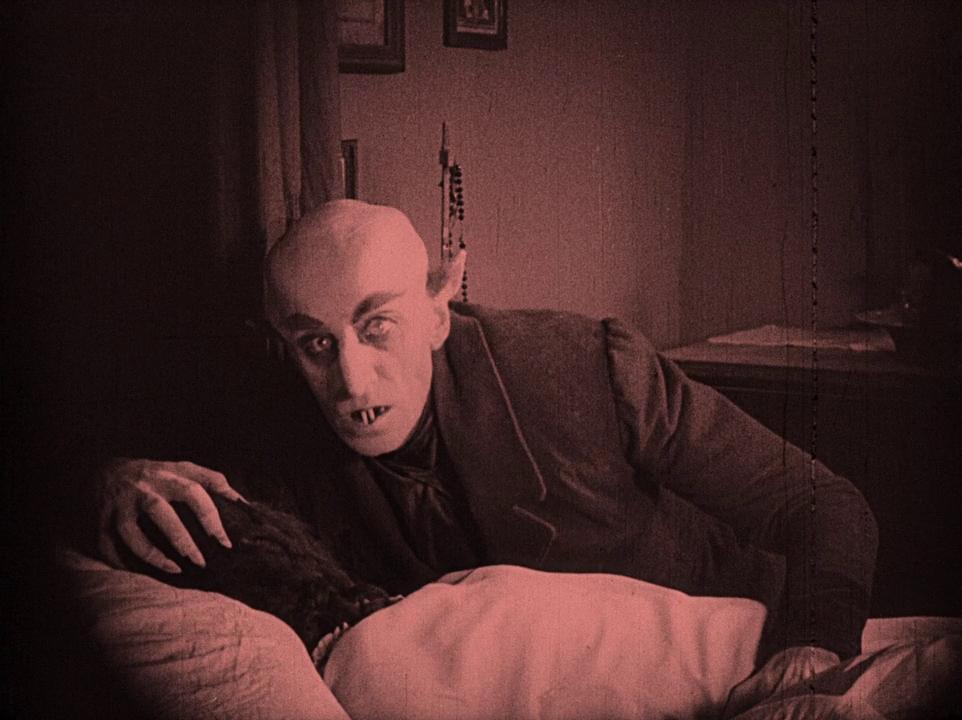
Before horror movies had sound, filmmakers had to find other ways to frighten audiences. The 1920s were filled with strange shadows, elaborate makeup, distorted sets, and unsettling characters. German Expressionism was particularly influential, using unusual camera angles and exaggerated environments to create worlds that felt more like nightmares than reality.
What makes these films worth revisiting today is how much they accomplished without modern technology. Their influence can still be seen in everything from Tim Burton’s films to contemporary gothic horror.
Some of our favorites from the 1920s:
Nosferatu (1922) [Watch on Prime Video]
The Cabinet of Dr. Caligari (1920)
The Phantom of the Opera (1925)
Faust (1926)
The Hunchback of Notre Dame (1923)
The Cat and the Canary (1927)
The Golem: How He Came into the World (1920)
Metropolis (1927)
If you’re unfamiliar with silent horror, Nosferatu and The Cabinet of Dr. Caligari are excellent places to begin. Both demonstrate how powerful atmosphere and visual storytelling can be. And Lon Chaney’s performance in The Phantom of the Opera remains one of the most recognizable achievements in early horror makeup.
1930s Horror: The Monsters That Started It All
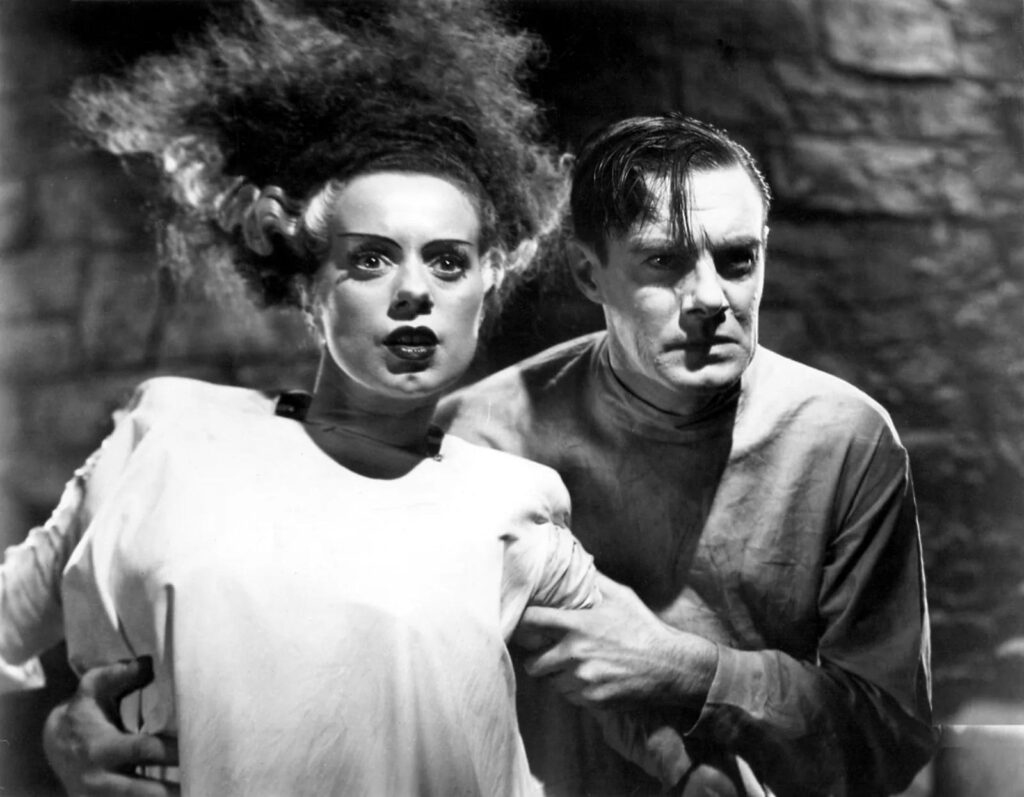
The arrival of sound helped transform horror into a major Hollywood attraction. Universal Pictures introduced audiences to some of the most recognizable monsters in cinema history, while other filmmakers experimented with mad scientists, supernatural mysteries, and disturbing stories about humanity’s darker instincts.
This is the decade when Dracula, Frankenstein’s Monster, and the Mummy became household names. Nearly a century later, their images remain instantly recognizable.
Some of our favorites from the 1930s:
Frankenstein (1931)
Vampyr (1932)
Dracula (1931) [Watch on Prime Video]
Island of Lost Souls (1932)
The Bride of Frankenstein (1935)
The Mummy (1932)
Dr. Jekyll and Mr. Hyde (1931)
The Bat Whispers (1930)
It’s difficult to talk about this decade without mentioning Boris Karloff and Bela Lugosi. Their performances helped establish the screen personalities of monsters that continue to inspire new films. The Bride of Frankenstein is particularly memorable because it manages to combine horror, humor, and tragedy in a way that still feels surprisingly modern.
For more on one of horror’s most enduring characters, explore our complete list of Frankenstein movies.
1940s Horror: Gothic Mysteries and Monsters in the Shadows
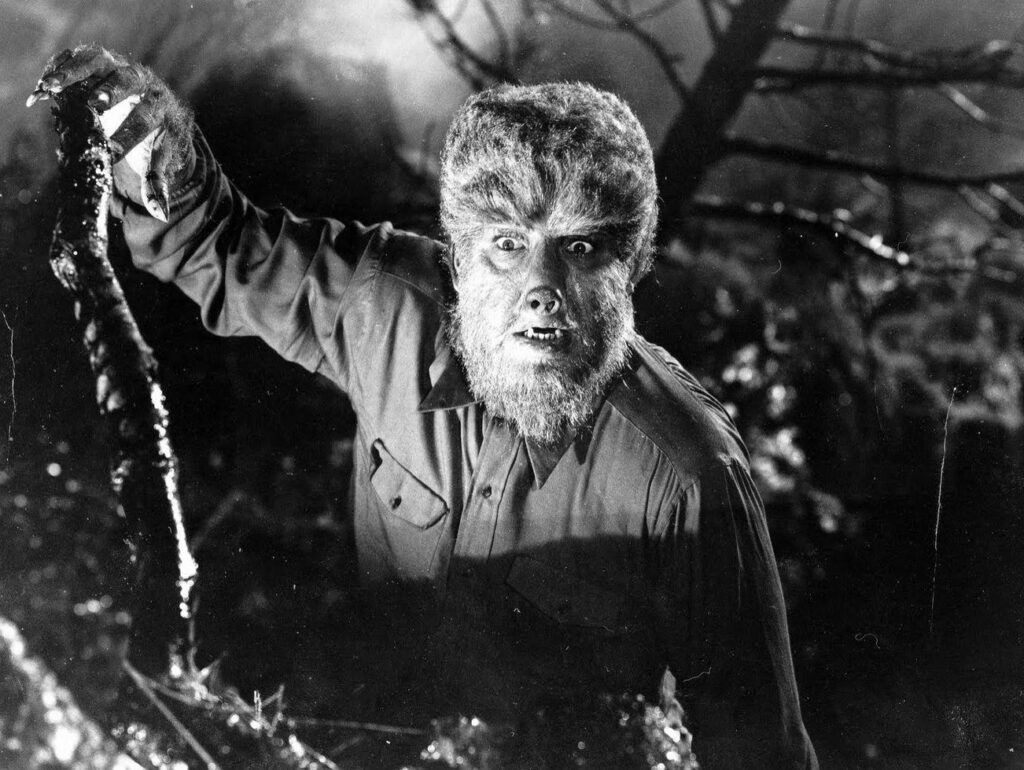
By the 1940s, horror was moving in several directions. Universal continued producing monster movies, but filmmakers also began exploring quieter, more psychological approaches to frightening audiences. Rather than showing the monster, some films allowed viewers to imagine what might be hiding in the darkness.
The decade also demonstrated that horror and comedy could work together, creating a formula that would become increasingly popular in later years.
Some of our favorites from the 1940s:
Cat People (1942)
The Wolf Man (1941) [Watch on Prime Video]
Dead of Night (1945)
Abbott and Costello Meet Frankenstein (1948)
I Walked with a Zombie (1943)
The Uninvited (1944)
The Picture of Dorian Gray (1945)
Son of Dracula (1943)
The Body Snatcher (1945)
Cat People deserves special attention for its use of suggestion and suspense. Dead of Night remains a terrific example of anthology horror, while Abbott and Costello Meet Frankenstein proves that the classic monsters could be funny without completely losing their appeal.
And, of course, The Wolf Man helped establish the tragic werewolf mythology that countless filmmakers would revisit.
Explore more in our complete list of Wolf Man and werewolf movies
1950s Horror: Atomic Monsters, Mad Science, and Creature Features
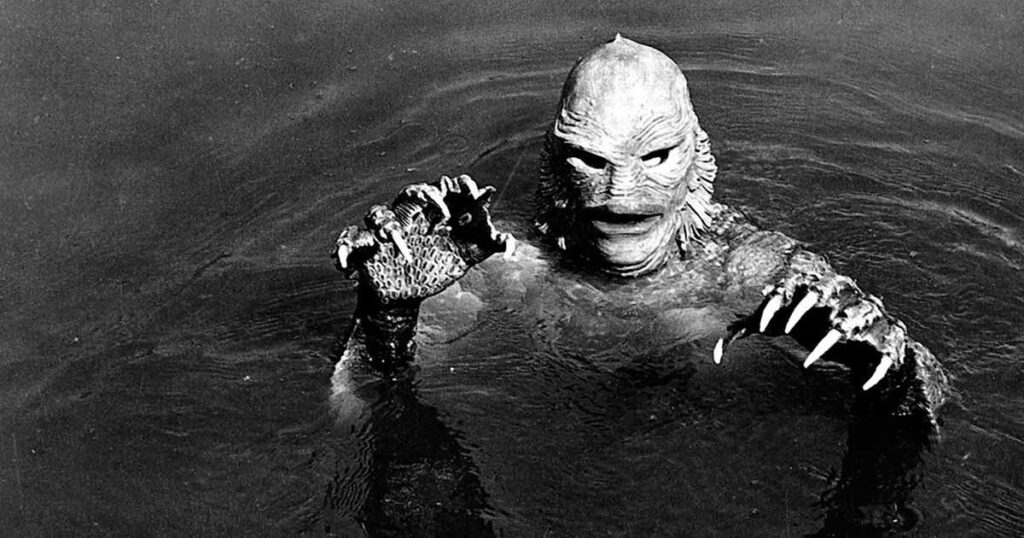
The 1950s brought a different kind of fear to movie theaters. Nuclear weapons, scientific experimentation, and Cold War anxieties helped fuel an explosion of giant monsters, alien threats, and science-fiction horror.
This was also a terrific decade for drive-in movies, outrageous creature features, and films that were sometimes as entertaining as they were frightening.
Some of our favorites from the 1950s:
Creature from the Black Lagoon (1954) [Watch on Prime Video]
House of Wax (1953)
Horror of Dracula (1958)
Tarantula (1955)
Diabolique (1955)
The Fly (1958)
Attack of the 50 Foot Woman (1958)
House on Haunted Hill (1959)
Godzilla, King of the Monsters! (1956)
There’s something especially enjoyable about the creature features of this era. Tarantula and Attack of the 50 Foot Woman are perfect examples of the decade’s larger-than-life approach, while The Fly explores the consequences of scientific ambition gone terribly wrong.
Meanwhile, Diabolique proves that the decade could deliver genuinely sophisticated psychological suspense. And Vincent Price’s performance in House on Haunted Hill remains a personal favorite example of old-fashioned haunted-house entertainment.
1960s Horror: Psychological Terror Changes Everything
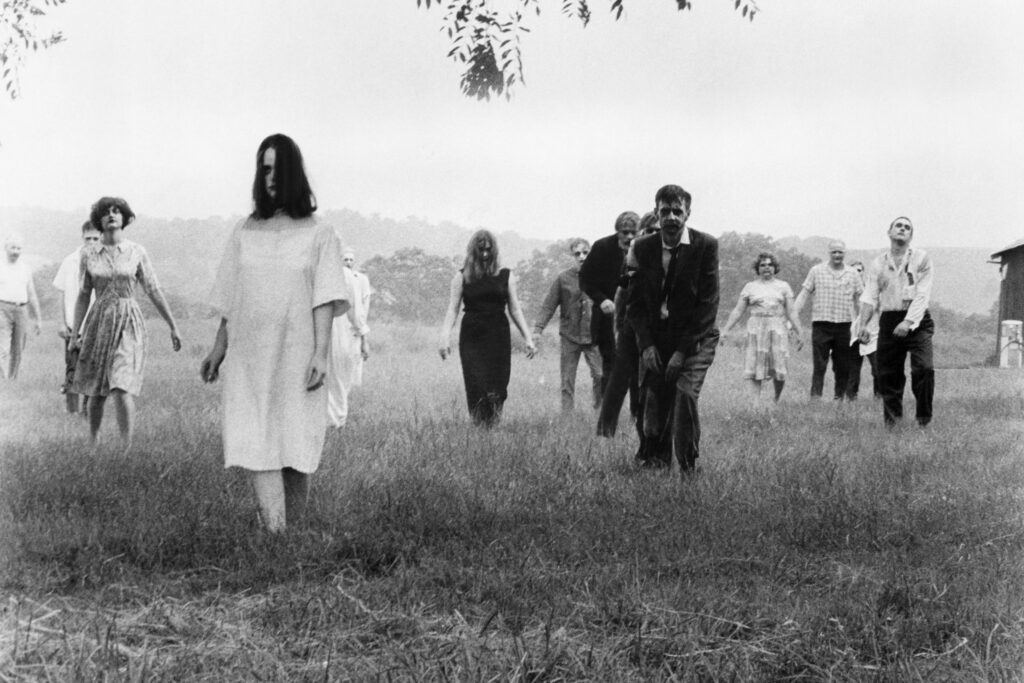
The 1960s marked a major turning point for horror. Monsters were no longer confined to castles, laboratories, or distant worlds. They could be ordinary people, family members, neighbors, or even the person standing beside you.
Filmmakers began exploring obsession, mental instability, paranoia, and the darker side of everyday life. By the end of the decade, horror was becoming more violent, more confrontational, and far less predictable.
Some of our favorites from the 1960s:
The Haunting (1963)
Psycho (1960) [Watch on Prime Video]
Eyes Without a Face (1960)
The Birds (1963)
Rosemary’s Baby (1968)
Peeping Tom (1960)
Night of the Living Dead (1968)
What Ever Happened to Baby Jane? (1962)
Psycho changed what audiences expected from a horror movie, while Night of the Living Dead helped establish the modern zombie film. Rosemary’s Baby brought supernatural paranoia into an ordinary apartment building, making everyday life feel deeply unsettling.
We also have a soft spot for The Haunting. Its use of sound, suggestion, and atmosphere makes it one of the best examples of how frightening a movie can be without showing very much at all.
1970s Horror: The Decade That Changed the Rules
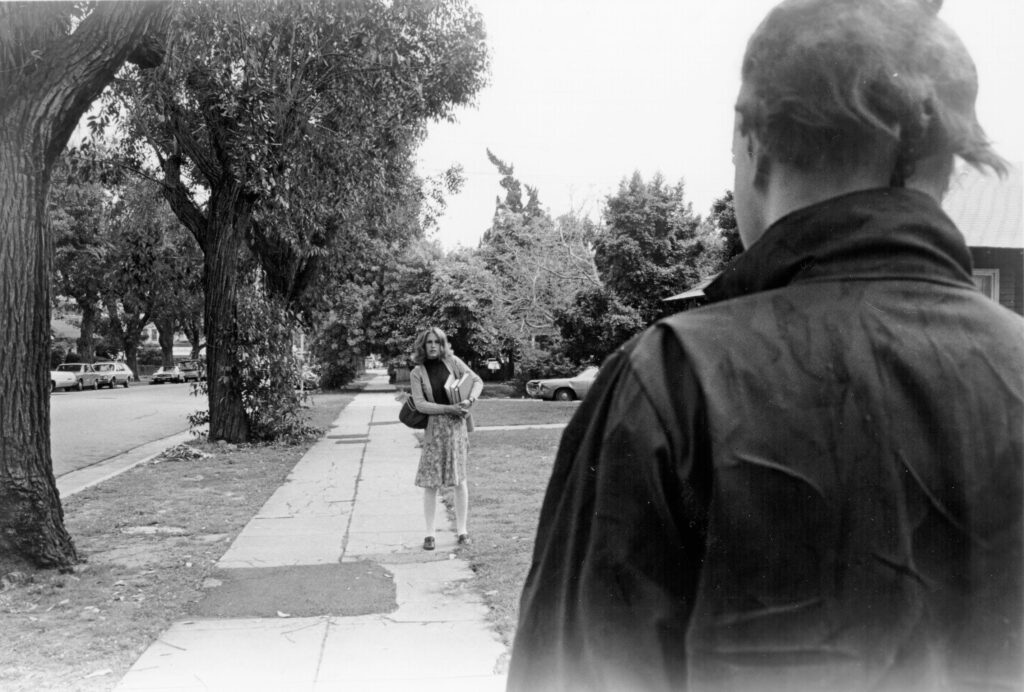
If there’s one decade that fundamentally changed horror, the 1970s certainly deserves consideration. Filmmakers became more willing to challenge audiences, explore controversial subjects, and push the limits of what could appear on screen.
The decade gave us modern possession movies, brutal slashers, unsettling folk horror, iconic creature features, and some of the most influential films the genre has ever produced.
Some of our favorites from the 1970s:
The Wicker Man (1973)
Alien (1979) [Watch on Prime Video]
The Texas Chain Saw Massacre (1974)
Suspiria (1977)
Jaws (1975)
Carrie (1976)
Dawn of the Dead (1978)
The Omen (1976)
Halloween (1978)
Nosferatu the Vampyre (1979)
The Exorcist (1973)
What’s remarkable about the 1970s is the variety. The Exorcist terrified audiences with demonic possession, while Jaws made people afraid to go swimming. Halloween helped establish the modern slasher formula, and Alien proved that horror could be just as effective in outer space.
Then there’s Suspiria, with its striking colors and dreamlike atmosphere, and The Wicker Man, which remains one of the genre’s most memorable examples of folk horror.
It’s hard to imagine modern horror without the influence of this decade.
1980s Horror: Slashers, Practical Effects, and Cult Classics
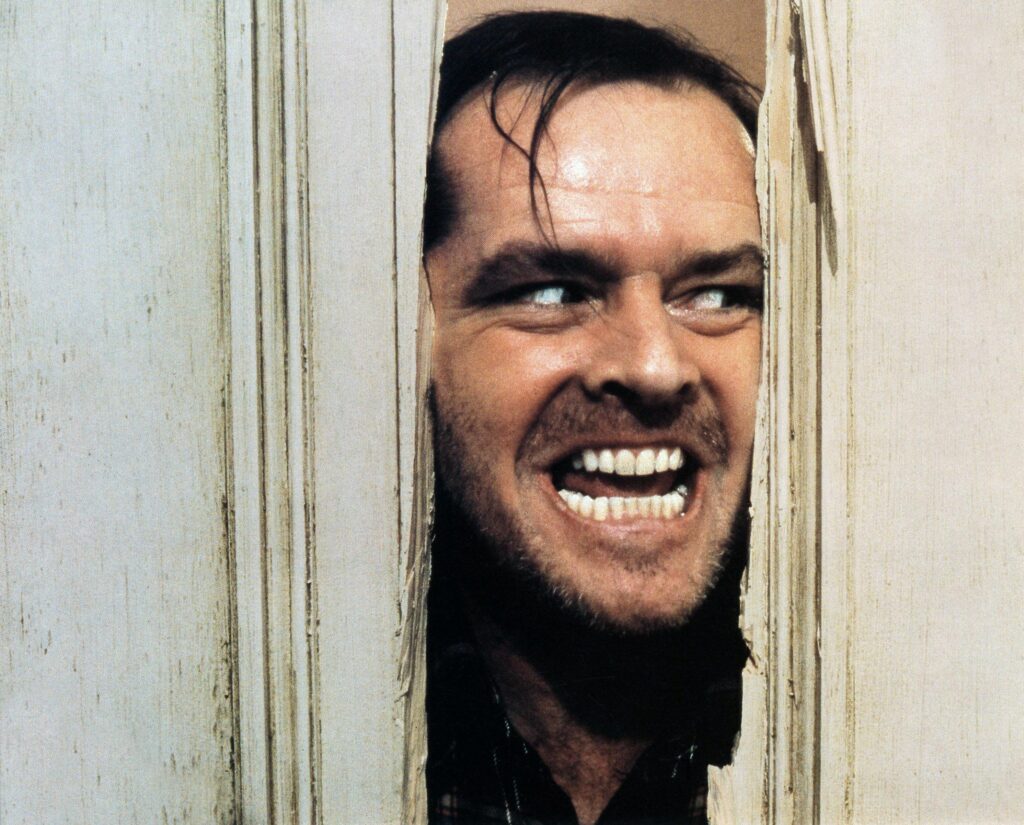
The 1980s might be one of the most entertaining decades in horror history. The slasher craze was in full swing, special effects artists were creating increasingly elaborate monsters, and the growth of home video introduced audiences to films they might never have seen in theaters.
This was the decade of Freddy Krueger, Jason Voorhees, possessed cabins, alien creatures, and some truly unforgettable practical effects. It was also a period when horror could be funny, disgusting, terrifying, and completely ridiculous, sometimes all in the same movie.
Some of our favorites from the 1980s:
The Thing (1982) [Watch on Prime Video]
Friday the 13th (1980)
The Fly (1986)
The Shining (1980)
Little Shop of Horrors (1986)
Aliens (1986)
The Evil Dead (1981)
Poltergeist (1982)
A Nightmare on Elm Street (1984)
What makes the 1980s particularly special is the creativity that came from practical effects. Rob Bottin’s work on The Thing and Chris Walas’s creature effects in The Fly remain impressive decades later. There’s something about seeing a physical monster on screen that computer-generated effects don’t always replicate.
The decade also gave us some of horror’s most memorable villains. Freddy Krueger turned nightmares into a franchise, while Jason Voorhees became one of the most recognizable faces of slasher cinema. Meanwhile, The Shining proved that psychological horror could be just as disturbing as anything involving a masked killer.
And when we need something lighter, Little Shop of Horrors is a reminder that a giant, man-eating plant can be pretty entertaining.
1990s Horror: Psychological Thrillers, Slashers, and Found Footage
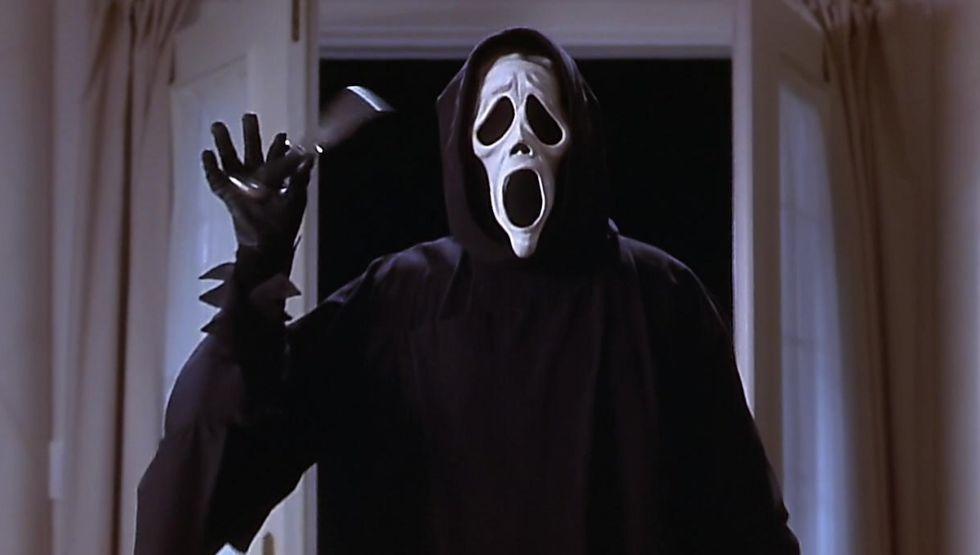
The 1990s were an interesting time for horror. The slasher franchises of the previous decade were beginning to lose momentum, and filmmakers were experimenting with different ways to frighten audiences. Psychological thrillers became increasingly popular, horror became more self-aware, and by the end of the decade, found footage was about to change everything.
This was also the decade when horror films began playing with the audience’s knowledge of the genre itself. Characters knew the rules of scary movies, and filmmakers were happy to turn those expectations upside down.
Some of our favorites from the 1990s:
Candyman (1992) [Watch on Prime Video]
Scream (1996)
Jacob’s Ladder (1990)
The Silence of the Lambs (1991)
Stephen King’s It (1990)
The Blair Witch Project (1999)
The Sixth Sense (1999)
Scream deserves plenty of credit for bringing fresh energy to the slasher genre, while The Blair Witch Project demonstrated that a tiny budget and a clever marketing campaign could create a genuine cultural phenomenon.
Candyman remains one of the decade’s most atmospheric supernatural horror films, thanks in no small part to Tony Todd’s unforgettable performance. And Jacob’s Ladder is the kind of movie that sticks with you long after the credits roll.
We also have to mention Tim Curry’s Pennywise in the 1990 television adaptation of It. Although technically a miniseries rather than a theatrical film, it deserves a place among our favorites from the decade.
2000s Horror: Remakes, Survival Horror, and New Nightmares
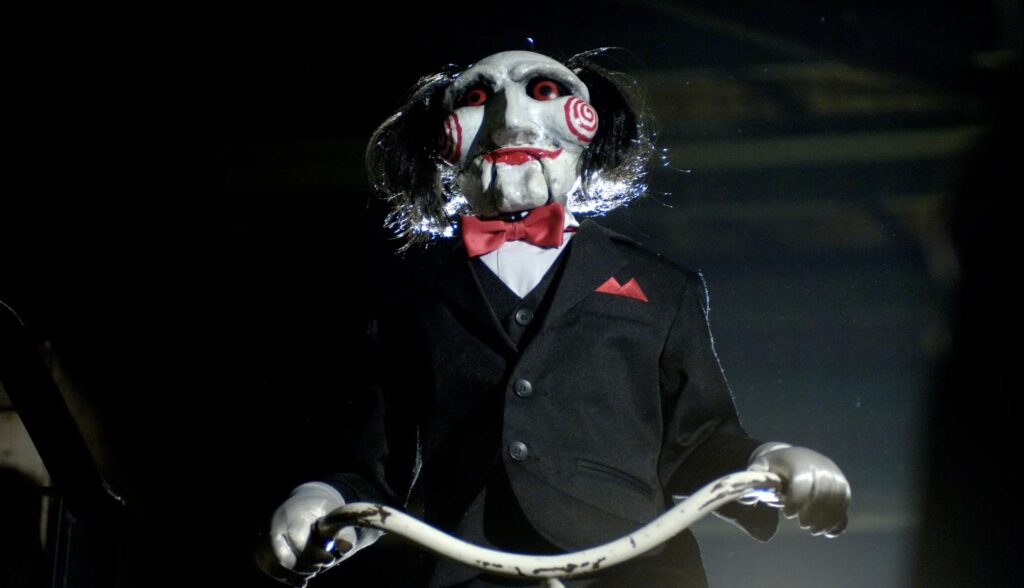
The 2000s brought a major shift in horror. Japanese horror influenced American filmmakers, survival horror became increasingly intense, and audiences embraced movies that were willing to push the boundaries of violence and suspense.
This was the decade of cursed videotapes, elaborate death traps, isolated caves, infected cities, and masked strangers showing up at the front door. It was also a great period for horror comedy, proving that the genre could still have a sense of humor.
Some of our favorites from the 2000s:
The Ring (2002) [Watch on Prime Video]
The Descent (2005)
American Psycho (2000)
Shaun of the Dead (2004)
The Strangers (2008)
Final Destination (2000)
28 Days Later (2002)
The Others (2001)
Saw (2004)
One of the things we appreciate about this decade is the variety. The Ring helped introduce a wider American audience to the style and atmosphere of Japanese supernatural horror, while Saw launched a franchise built around elaborate traps and moral dilemmas.
The Descent is another standout. Its combination of claustrophobia, darkness, and survival horror makes it one of the most uncomfortable viewing experiences of the decade. And The Strangers proves that sometimes the simplest premise, strangers terrorizing people in their own home, can be absolutely terrifying.
Then there’s Shaun of the Dead, which manages to be both a genuinely entertaining zombie movie and one of the funniest horror comedies ever made.
2010s Horror: Supernatural Franchises and a New Generation of Filmmakers
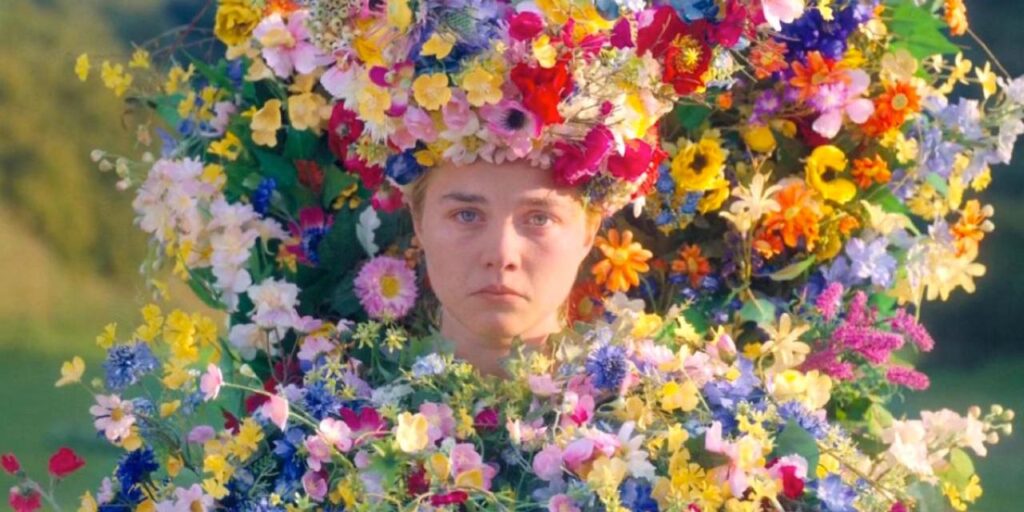
The 2010s were a remarkable decade for horror. Supernatural franchises dominated the box office, independent filmmakers found new audiences, and movies exploring grief, trauma, family relationships, and social issues became increasingly popular.
Some critics began using the term “elevated horror” to describe these films, although we’ve never been particularly fond of the idea that horror needs a special label to be taken seriously. The genre has always been capable of telling intelligent, thought-provoking stories.
Some of our favorites from the 2010s:
Sinister (2012) Watch on Prime Video
Get Out (2017)
The Conjuring (2013)
Midsommar (2019)
Black Swan (2010)
It (2017)
It Follows (2014)
Hereditary (2018)
The Conjuring helped revive interest in traditional haunted-house and possession stories, while Sinister delivered some genuinely unsettling imagery. It Follows took a simple supernatural premise and turned it into something strange and memorable.
Jordan Peele’s Get Out demonstrated how effectively horror could explore contemporary social issues without sacrificing suspense or entertainment. Meanwhile, Ari Aster’s Hereditary and Midsommar showed two very different ways to make audiences deeply uncomfortable.
And although Black Swan is often classified as a psychological thriller, its body horror elements and disturbing atmosphere make it a natural fit for this collection.
2020s Horror: New Voices, Old Fears, and Modern Nightmares
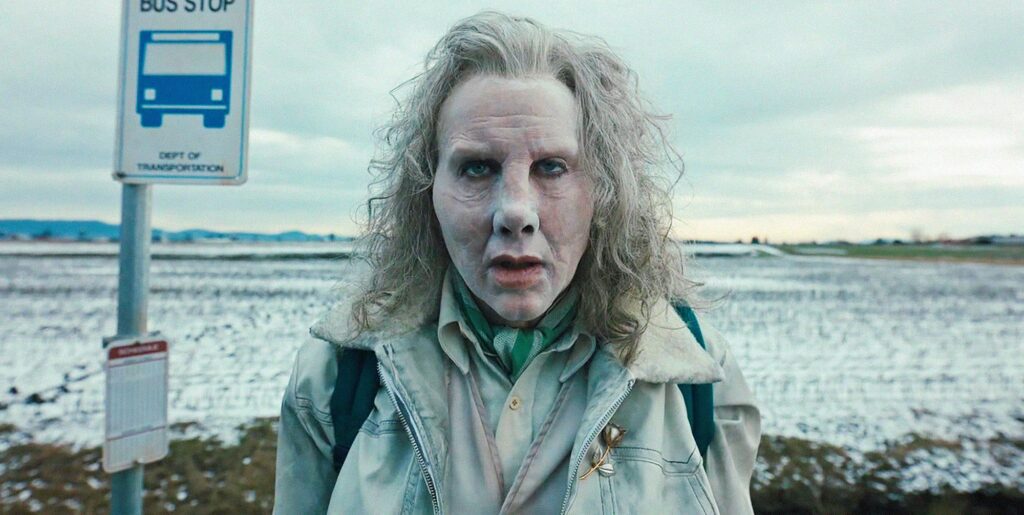
We’re only partway through the 2020s, but the decade has already delivered some terrific horror movies. Filmmakers continue to experiment with familiar ideas while introducing new monsters, unusual storytelling techniques, and some genuinely disturbing imagery.
What’s especially interesting about this decade is how difficult it has become to put horror into a single category. Some movies lean heavily into psychological suspense, others embrace extreme body horror, and a few combine genres in ways that would have seemed unlikely just a decade ago.
Some of our favorites from the 2020s so far:
Longlegs (2024) [Watch on Prime Video]
The Substance (2024)
Talk to Me (2022)
Sinners (2025)
The Invisible Man (2020)
Pearl (2022)
Weapons (2025)
Obsession (2026)
Longlegs brought an unsettling atmosphere and an unforgettable Nicolas Cage performance to the serial-killer genre, while The Substance pushed body horror into some truly outrageous territory. Both films demonstrate that horror can still surprise audiences who think they’ve seen everything.
Talk to Me offered a fresh take on supernatural possession, and The Invisible Man turned a familiar Universal monster into a frightening story about surveillance, manipulation, and control.
We also enjoyed how Pearl combined old-fashioned Hollywood imagery with a deeply disturbed central character. Sinners brought vampires, music, and Southern Gothic storytelling together, while Weapons showed how a mysterious disappearance could become the foundation for a very different kind of horror movie.
And Obsession, which premiered at the Toronto International Film Festival in 2025 before its wider 2026 release, is another example of filmmakers finding disturbing new ways to explore familiar ideas about desire and obsession.
There’s still plenty of the decade left, and we’re looking forward to seeing which films eventually join this list.
Why We Keep Coming Back to Horror
One of the reasons we’ve enjoyed putting this collection together is that it reminds us how much variety exists within horror. You can spend one evening watching a silent German Expressionist film from the 1920s and the next watching a modern supernatural thriller or an outrageous creature feature.
And both experiences can be equally entertaining for completely different reasons.
Some of these movies are genuinely frightening. Others are campy, strange, funny, or simply memorable because of the time and place in which they were made. Not every film needs to be a masterpiece to earn a place on our watchlist.
That’s also why we haven’t ranked these selections. Horror is far too subjective for that. A movie that terrifies one person might make someone else laugh, and a film that received terrible reviews when it was released might become a cult favorite decades later.
For us, the enjoyment comes from discovering something new, revisiting an old favorite, and occasionally finding a forgotten movie that deserves another look.
If you’re looking for even more recommendations, check out our cornerstone guide, 100 Horror Movies to See Before You Die, where we explore more than a century of horror history, from the earliest silent films to modern classics.
And every October, we celebrate our love of the genre with 31 Nights of Horror, choosing a different theme and movie for every night leading up to Halloween.
What Are Your Favorite Horror Movies?
We’ve shared some of our favorites from the past century, but this collection is far from complete. There are hundreds of other movies we could have included, and that’s what makes horror such a great genre to explore.
What decade do you think produced the best horror movies? Are you a fan of the Universal Monsters, the slashers of the 1980s, the psychological thrillers of the 1990s, or the modern films pushing the genre in new directions?
And more importantly, which horror movies would you add to our list?
Share your favorites in the comments. We’re always looking for another good horror movie to watch.
Frequently asked questions
What decade had the best horror movies?
The 1970s and 1980s are often considered two of horror’s strongest decades, thanks to films like The Exorcist, Halloween, The Shining, and The Thing. However, every decade has contributed important movies to the genre.
Are classic horror movies still worth watching?
Absolutely. Classic horror films introduced many of the characters, storytelling techniques, and visual styles that modern filmmakers continue to use. Movies like Nosferatu, Frankenstein, and Psycho remain essential viewing for horror fans.
What are some good horror movies for beginners?
The Others, The Sixth Sense, Poltergeist, and The Conjuring are good starting points for viewers interested in suspense and supernatural horror. More intense films can come later.
What are the best horror movies of the 1980s?
Some of our favorites include The Thing, The Shining, A Nightmare on Elm Street, The Evil Dead, and The Fly. The decade is especially memorable for its practical effects, slashers, and creature features.
What are the best modern horror movies?
Recent favorites include Hereditary, Get Out, Talk to Me, Longlegs, The Substance, and Sinners. Each offers a different approach to modern horror storytelling.
How have horror movies changed over the decades?
Horror movies have evolved alongside technology, culture, and audience expectations. Early films relied on shadows, atmosphere, and gothic monsters, while the 1950s introduced atomic-age creatures and science-fiction horror. The 1970s and 1980s brought slashers, graphic violence, and groundbreaking practical effects. More recent decades have embraced psychological horror, found footage, social commentary, and innovative storytelling. Despite these changes, the best horror movies still rely on the same basic ingredients: suspense, fear, and the unexpected.
So what do you think? How many of these scary movies have you seen? Do you have any others to add to the list? Let us know in the comments section and please consider joining our Facebook page, Scary Movies at the Fort. Each October we host the 31 Nights of Horror. Check us out.
Also, be sure to check out our Complete List of Dracula, Frankenstien, Wolfman, and The Mummy, and Universal Monster Movies.
Check out our: Movies for Spooky Season by Decade (1920s to Today)
We have compiled our Ultimate Horror Movie Hub