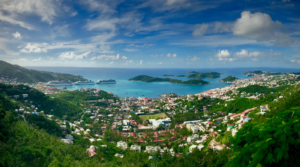
Antigua, part of the twin-island nation of Antigua and Barbuda, is often described as a beach destination first, but that only tells part of the story. While the island is known for its claim of having 365 beaches, one for every day of the year, it also carries a deep maritime history and a long-standing connection to British naval power in the Caribbean.
The island’s geography is more open and rolling than that of some of its volcanic neighbors, creating a different visual experience. Instead of steep peaks, Antigua offers wide coastal views, calm bays, and consistent trade winds that have made it a global sailing destination. The pace is steady and relaxed, shaped by the sea and the rhythm of island life rather than dramatic terrain.
Major City: St. John’s
The capital, St. John’s, is the commercial and cultural center of the island. Located along the northwest coast, it serves as the main cruise port and the primary hub for shopping, dining, and local markets.
St. John’s is immediately recognizable by its colorful buildings and waterfront setting. The city is compact and walkable, with key landmarks such as the cathedral and local markets within close proximity. While many visitors experience it briefly during cruise stops, it offers a more authentic view of daily life on the island for those who spend additional time exploring.
Transportation and Access
Antigua is accessible by air through V. C. Bird International Airport, which offers direct and connecting flights from major cities in the United States, Canada, and Europe. By sea, St. John’s is a frequent stop for cruise ships, making the island a central point in many Caribbean itineraries.
Once on the island, transportation is relatively straightforward, with taxis, rental cars, and guided tours providing access to key locations.
We crusied in Royal Carribbean’s Brilliance of the Seas and this was our fourth port of call on our trip leaving San Juan, Puerto Rico on a seven night voyage.
What Antigua Is Known For
Antigua is widely known for its beaches, but it is equally recognized for its maritime heritage. One of the most significant historical sites is Nelson’s Dockyard, a restored Georgian naval dockyard and UNESCO World Heritage Site. It reflects the island’s strategic importance to the British Navy during the eighteenth century.
The island is also a major sailing destination, hosting international regattas that attract participants from around the world. Its consistent winds and protected harbors make it one of the premier sailing locations in the Caribbean.
Best Activities to Do in Antigua
A visit to Nelson’s Dockyard offers both historical context and a well-preserved look at colonial-era naval operations. The surrounding area includes museums, restored buildings, and access to hiking trails that lead to elevated viewpoints.
Shirley Heights, located above English Harbor, is one of the most well-known vantage points on the island. The panoramic view of the coastline, particularly at sunset, is one of Antigua’s defining visual experiences.
Beach exploration is central to any visit. Dickenson Bay, on the northwest coast, offers calm waters and accessible amenities, making it a popular choice for visitors. For a quieter experience, Half Moon Bay on the eastern side offers a more open, less developed shoreline.
For those interested in marine life, snorkeling and diving are widely available, with coral reefs and shipwrecks located just offshore. Sailing excursions, whether short day trips or longer charters, provide another way to experience the island from a different perspective.
Cultural and Local Experiences
Antigua’s culture reflects its British colonial past alongside a distinctly Caribbean identity. English is the official language, and local customs are shaped by a mix of African, European, and regional influences.
Markets in St. John’s offer insight into daily life, with fresh produce, seafood, and handmade goods available from local vendors. Food plays an important role in the cultural experience, with dishes centered around fresh ingredients and traditional preparation methods.
Events such as Antigua Sailing Week and the island’s annual Carnival highlight both its maritime culture and its community traditions.
Interesting Facts About Antigua
Antigua was once one of the most important British naval bases in the Caribbean, largely due to its natural harbors and strategic location. The island remained under British control for centuries before gaining independence in 1981 as part of Antigua and Barbuda.
The claim of 365 beaches is more than a marketing phrase; the island’s indented coastline creates a wide variety of accessible beach environments, each with its own character.
Unlike many Caribbean islands, Antigua has relatively low rainfall, which contributes to its dry, sunny climate and makes it a reliable destination for consistent weather.
Antigua offers a balanced Caribbean experience. It combines accessibility with depth, where beaches are easy to reach, but history and culture are equally present for those who choose to engage with them. It is an island that does not rely on a single defining feature but instead delivers a steady, well-rounded experience shaped by its connection to the sea.
Must Visit
While we were only in port for a day, we took an excusion from our ship to the beach ($44 per person) for about four hours.
We rented two chairs and an umbrella right at the shore ($22) and relaxed all morning.
The water was crystal clear with white-sandy beaches.
Interesting Facts
-
- 365 Beaches: Antigua is often called the “Land of 365 Beaches” because you could visit a different beach every day of the year.
- Named by Columbus: Christopher Columbus named the island in 1493 after the Virgin of La Antigua in Seville Cathedral.
- Famous Landmark: Devil’s Bridge is a natural limestone bridge carved by the sea located in Indian Town National Park
.
- Highest Point: The highest point on the island is Mount Obama (formerly Boggy Peak), which was renamed in 2009 to honor U.S. President Barack Obama.
- National Dish: The national dish is fungee (a cornmeal dumpling similar to polenta) and pepperpot, a hearty stew.
- Sailing Capital: English Harbour is world-renowned as a hub for yachting and sailing, featuring the historic Nelson’s Dockyard.
- Carnival Culture: Antigua hosts a massive annual Carnival at the end of July, celebrating the abolition of slavery with music and parades.
- Rarest Snake: The island is home to the Antiguan racer, once considered one of the rarest snakes in the world.
- Rum Tradition: Antigua has a long history of sugar production and is famous for producing high-quality Caribbean rum.
- Official Language: English is the official language, but residents often speak Antiguan Creole.